Most older adults want to stay in their own homes, keep their routines, and maintain dignity. The challenge for families is to support that independence without creating a surveillance state or a web of gadgets too complex to use. Technology can help, but only when it fits daily life, respects privacy, and complements good judgment. After years of advising families, facilities, and insurers on home safety, I’ve learned the most effective setups are simple, layered, and grounded in personal safety habits rather than gadgets alone.
Independence with guardrails, not walls
Care works when seniors feel in control. The right tools give them leverage, not orders. A large-print smartphone with a well-organized home screen, a discreet medical alert wearable, a doorbell camera with privacy zones, a smart speaker that handles routines by voice, and a few sensors in high-risk areas can transform worry into confidence. The trick is to choose a handful of items that talk to each other and to the right people at the right time.
Families often start with the newest gadget. A better approach is to start with a day in the life. Where are the friction points? Stairs after dark. A cluttered entry. A complex stove. Medication timing. Walking the dog. The evening check-in. Once you map those moments, the technology choices become obvious.
Personal safety habits that keep tech honest
Devices fail. Habits anchor safety. I ask seniors to build three reflexes. First, take a beat at decision points. Before opening a door, before clicking a link, before stepping on a ladder, pause and reset. Second, use your words early. If you feel off, call a neighbor or adult child while you still have energy to describe the situation. Third, keep essentials within reach, always in the same locations. Glasses on the nightstand, phone on a charging dock, cane by the bed. A home safety plan works only if it matches muscle memory.
Many incidents start with fatigue and end with a small misstep. A fall after a late-night bathroom visit, a scam call answered on the way out the door, a forgotten dose while preparing for a grandchild’s visit. Reminders and sensors help, but the routine matters more. Bedside nightlights on motion, weekly pill packs, and a printed emergency list near the phone turn wobbly moments into recoverable ones.
Designing a safer home without turning it into a lab
Home safety checklists sometimes read like a hardware store inventory. The better versions are short, tailored, and actionable. I walk rooms with seniors and use their language. If the bathroom is “where the rug slips,” install a fixed mat, add a grab bar near the tub and toilet, and adjust lighting so the room is bright even when eyes are dilated from medications. If the kitchen is “where I lose track of the kettle,” add a smart plug with auto-off on the kettle or a temperature-sensing sensor that alerts only if the stove stays hot for longer than a normal cooking window.
Stairs deserve special attention. A sturdy handrail on both sides, non-slip treads with high contrast, and consistent lighting from top to bottom make a clear difference. I prefer a single, reliable light switch at each end rather than asking someone to talk to a voice assistant in a stairwell. In bedrooms, lift beds slightly for easier stand-to-walk transitions and place a chair close by for dressing. Small choices like these reduce risky improvisation.
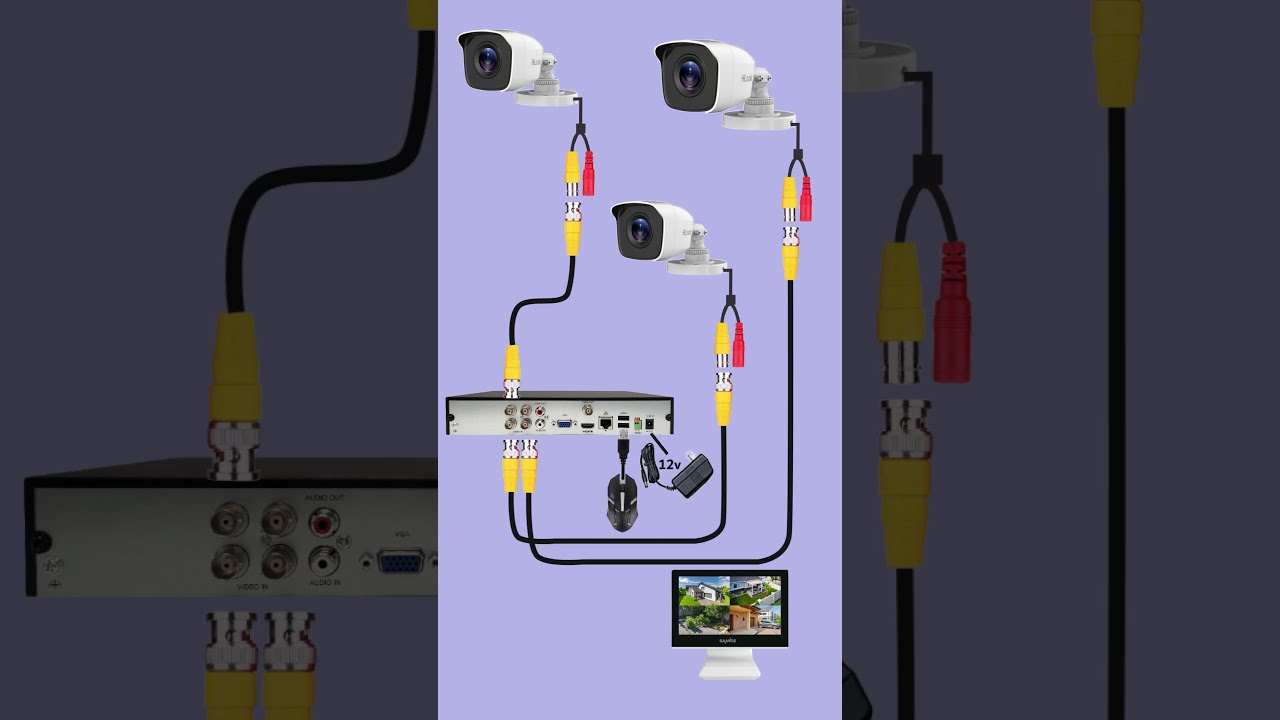
For doors and windows, simple beats flashy. Quality deadbolts and strike plates, door viewers with wide angles, and well-placed exterior lights do more to deter opportunists than a battery of cameras. If cameras are installed, set privacy zones to avoid capturing neighbors’ homes, and place them to answer who is at the door rather than to watch every movement inside.
Neighborhood awareness without anxiety
Safety extends beyond the walls. I encourage seniors to treat their block like a team. Exchange phone numbers with two or three neighbors, learn the names of building staff, and notice construction or utility work that temporarily changes patterns. Many communities maintain email lists or private social groups where credible local updates are shared. A quick note about a streetlight outage or unfamiliar door-to-door solicitors can prevent problems.
Community safety apps can be useful when used with skepticism. Some apps amplify minor incidents and increase stress. Others focus on verified alerts from local agencies, road closures, public health notices, and weather hazards. The practical question is whether an app helps you decide something today. If the answer is no, turn off most notifications and keep only those related to critical alerts.
Walking routes matter. Seniors often change routes to avoid cracked sidewalks or busy crossings. A few timed trials at different hours reveal the calmest times to run errands. In urban areas, urban safety innovations like pedestrian countdown signals, curb extensions, and well-lit bus shelters change risk more than many realize. Pay attention to those details when choosing pharmacies, banks, and community centers.
Protecting seniors with tech that respects autonomy
The market is saturated with devices marketed to caregivers. Filter them by three tests. Does the senior want it? Does it solve a real friction point? Can it be maintained without weekly rescues?
Medical alert wearables have matured. The best models are comfortable, water resistant, and include fall detection that balances sensitivity with specificity. False alarms erode trust, so trial the settings with the person who will wear it. Some prefer a pendant under clothing. Others are more likely to wear a watch that blends in. Discuss where the signal goes: a professional monitoring center, trusted family numbers, or both. Test the press-to-voice feature while on a walk and in a tiled bathroom to hear how microphones behave in echo-prone spaces.
Passive monitoring through ambient sensors can be a good compromise for a very independent person. Door sensors on the front door and medicine cabinet, a motion sensor in the kitchen, and a bed sensor that tracks presence rather than medical metrics provide a basic rhythm map. If the kitchen motion sensor never triggers by mid-afternoon when a person normally makes tea, caregivers receive a gentle prompt to call. Avoid cameras inside private spaces. Data about presence, light usage, and door openings is often enough.
Smart speakers earn their place if they replace cognitive load with simple voice routines. For example, “Good night” could dim lights, lock the door, and remind about morning medications. “Help” could call a preset contact. Turn off purchasing by voice unless it’s crucial, and review call permissions together so there are no surprises. For hearing-impaired users, devices with visual cues and large on-device displays reduce miscommunication.
Digital safety for families and the art of the whitelist
Scams target older adults with ruthless efficiency. The best defense is not a lecture about fraud, it is a short, shared protocol. Agree on a whitelist of contacts and institutions and save those numbers under clear names in the phone. If a new number claims to be a bank, ask for a callback number and compare it to the card’s back or the bank’s official site. Freeze credit proactively, then unfreeze temporarily before any planned financing. Browser bookmarks for common bill-pay sites reduce phishing risk. On email, set the default view to show full sender details and enable spam filtering at the provider level.
Families should adopt their own digital safety habits. Do not send links to older relatives that look like official requests. When you change a plan or biller, call them and walk through the new process once. Set up shared cloud folders for important documents with read-only permissions for most parties. If https://cashgrod797.raidersfanteamshop.com/the-future-of-video-monitoring-edge-ai-5g-and-beyond someone prefers paper, honor that and use a locked file box. The goal is sane defaults, not tech maximalism.
Property insurance and security systems, aligned instead of at odds
Insurers reward risk reduction when the measures are clear and verifiable. Share documentation of security systems and safety upgrades. Smart water shutoff valves, monitored smoke and CO detectors, and professionally monitored security systems often lower premiums or reduce deductibles. Keep the monitoring contract and device maintenance logs handy. Insurance carriers care less about brand names and more about maintained function.
Security systems should be quiet allies, not noisy bullies. Set entry and exit delays long enough for a slower walker. Label keypads with large fonts. Program a duress code if available, then teach only the primary user and a single trusted neighbor. For seniors with mild cognitive impairment, consider arming only perimeter sensors at night, leaving interior motion sensors off to avoid false alarms.
Documentation matters during claims. After a minor incident, take photos, capture serial numbers of replaced items, and store receipts in a shared folder. These habits speed up future claims and lower stress during bigger events. If a fall damages property, talk to the carrier about medical payments coverage in addition to dwelling or personal property coverage. Families often overlook that portion of the policy.
Travel safety for homeowners who still love to roam
The ability to travel fuels identity for many older adults. With a few adjustments, travel can stay enjoyable and safe. Home preparation starts with the basics: mail hold or collection by a neighbor, timers or smart lights that mimic occupancy, and a clear driveway to avoid signaling absence. Refrigerators and water lines cause a disproportionate number of insurance claims, so consider closing water supply to appliances for trips longer than a week. Smart thermostats with simple apps let you set safe temperature ranges and receive freeze alerts in winter.
On the road, keep a printed list of medical contacts and medications along with digital copies. Use a credit card with robust travel protections, and avoid debit for large transactions. Public Wi-Fi is fine for browsing maps, but for banking or medical portals, use a phone’s cellular data or a trusted home VPN. If someone back home needs to enter the house, use a temporary smart lock code that expires after the trip. Do not publish travel plans on public social feeds. Share photos once you return or within private groups.
Community safety apps that actually help
When evaluating community safety apps for seniors, focus on three functions. Verified alerts from official agencies, the ability to set small geographic zones relevant to daily life, and accessibility features like larger fonts and high-contrast modes. Watch for apps that mix gossip with alerts and stoke fear. If an app offers incident reporting, make sure it includes clear categories and routes serious issues to the right authorities instead of creating a parallel, unaccountable channel.
Some municipalities offer 311-style reporting that plugs directly into city work orders. Seniors who enjoy walking can become skilled observers, reporting broken sidewalks, dim streetlights, or blocked curb cuts. It turns awareness into community action, and it gives people a role beyond self-protection.
Smart parenting and security crosses generations
Many caregivers are raising children while supporting parents. The overlap is real. The same habits that protect kids online help older adults. Shared calendars with color-coded caregiving tasks, family group chats for daily check-ins, and a single emergency plan posted in the kitchen create order. Resist the urge to install multiple tracking apps across generations. Choose one location-sharing service that everyone understands, then set sensible sharing windows or geofences only when needed.
Grandchildren often serve as tech translators. Pair them with grandparents for device setup sessions. Make it a project with snacks, not a lecture. A teenager can label smart home scenes with clear names, install a password manager, and clean up a home screen in an afternoon. That small investment pays for itself the first time a phishing text arrives and the grandparent recognizes the pattern.
Urban safety innovations seniors can leverage
Cities evolve fast. Seniors benefit from tying their routines to upgrades that make streets safer. Pedestrian scramble crossings, where all foot traffic moves while cars wait, reduce turning conflicts that catch slower walkers off guard. Transit apps that show real-time arrival times cut down on long platform waits. Benches placed every two or three blocks turn errands into doable segments. If you are choosing a new pharmacy or bank location, favor routes that pass by staffed locations and busy storefronts. Predictability is its own safety feature.
Bicycle lanes may feel like a hazard to some pedestrians. In practice, they guide traffic into known paths. When crossing, look both ways and make eye contact. If a lane sits between the sidewalk and the bus boarding area, locate the actual bus stop island and follow marked crossings. These are small adjustments, worth practicing once with a caregiver before solo trips.
When to escalate: a short decision aid
Caregivers often ask when to step up monitoring or bring in outside help. There is no single answer, but patterns matter. If a senior has two or more unexplained falls in a season, reconsider layout, lighting, and wearables. If stove use triggers repeated alarms or burned cookware, shift to appliances with auto-off features or move more meals to microwave and toaster oven with visible timers. If a person answers scam calls despite coaching, switch the phone to allow only whitelist numbers and route unknown callers to voicemail. Temporary escalations can be rolled back once stability returns.
The quiet power of practice and rehearsal
Technology is only as good as its first stressful test. Rehearse likely scenarios. Press the medical alert button while on the porch and in the shower, and listen to the call quality. Run a simulated night alarm and count how long it takes to disarm at a calm pace. Ask a neighbor to call from a new number and watch whether the phone routes it correctly. Dry runs build confidence and expose small flaws. Fixing one misnamed contact or one obscure setting can save hours later.
A pared-back starter kit that respects privacy
New caregivers often ask for a starting configuration that minimizes intrusion. The following setup has worked well in varied homes and budgets:
- A comfortable medical alert wearable with fall detection, paired to a monitoring service that can call a caregiver first, then emergency services. A smart lock with two or three trusted codes and physical keys stored with a neighbor. Two ambient sensors: one in the kitchen, one near the main bathroom or bedroom, feeding a simple daily-rhythm dashboard for caregivers. A smart plug on the kettle or coffee maker with auto-off, plus a stove alert device if cooking is frequent. A large-button phone with a whitelist and voicemail for unknown numbers, and printed emergency contacts next to it.
This kit emphasizes presence and simple interventions over constant video. It is easy to explain, test, and maintain. Most importantly, it keeps the senior at the center of the system.
Respect, choice, and the long game
Protecting an independent senior is not a weekend project. Needs change across seasons, medications, and moods. What works now may feel fussy in six months, and that is not a failure. Replace tools that get in the way. Retire features that add noise. Keep the core promise: we are building a home and a neighborhood where it is easy to live well and to get help quickly when something goes wrong.
That promise lives in daily details. A quieter lock that closes with one motion. A light that turns on when feet hit the floor. A phone that shows whose voice is calling in letters large enough to read without glasses. The rest of the system, from property insurance and security systems to community safety apps, supports those basic moments.
The connected caregiver does not hover. They tune the environment. They choose technology that guards without glaring. And they never forget that the person at the center wants to choose their own breakfast, their own route, and their own pace, with dignity intact and the right help a single word away.
